• <button id="m2g2k"></button>
    • <samp id="m2g2k"></samp>
      <pre id="m2g2k"><small id="m2g2k"></small></pre>
      <menu id="m2g2k"></menu>
    • <strike id="m2g2k"><center id="m2g2k"></center></strike>
      <noscript id="m2g2k"><option id="m2g2k"></option></noscript>
      强奸福利视频在线观看,一本一道人妻久久综合无码,国内av网站,人妻白浆-ThePorn,人妻A?V在线,日日騷aV一區二區夜夜,精品?一区?卡,怡春院网站
      Home > Product > Car brake pads >

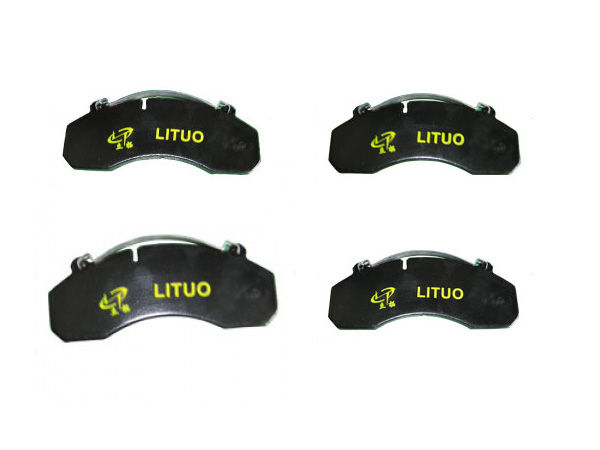
      Automotive Brake Pads

      • Automotive Brake Pads

      Detailed Introduction


      Automotive Brake Pads(Brake Linings)-Technical Overview

      Automotive brake pads,also known as brake linings,refer to the friction materials fixed against rotating brake drums or discs.The friction linings/shoes generate braking force through applied pressure,converting kinetic energy into heat to decelerate the vehicle.

      1.Structural Composition

      Brake pads typically consist of:

      Backing Plate(Steel):

      Rust-proof coated(process monitored by SMT-4 thermal profilers for quality control)

      Provides structural support

      Insulation Layer:

      Heat-resistant material to prevent thermal transfer to brake fluid

      Friction Block:

      Composite friction material+adhesives

      Directly contacts rotor/drum(7-12mm initial thickness;2-3mm wear limit)

      Wears progressively–lower-cost pads degrade faster

      Critical Sub-Components:

      Component Functionality

      Friction Material Generates friction(μ=0.35-0.45)

      Shims Dampens NVH(in premium variants)

      Wear Sensors Triggers replacement alerts(luxury cars)

      2.Working Principle

      Braking relies on friction conversion:

      Kinetic energy→Thermal energy via pad-rotor friction

      Secondary friction:Tires vs.road surface

      System Requirements:

      Stable&controllable braking force

      Efficient hydraulic transmission

      Heat dissipation to prevent:

      Fluid vaporization

      Brake fade(≥15%μreduction=failure)

      3.Drum vs.Disc Brake Comparison

      Disc Brakes Drum Brakes

      Superior heat dissipation Cost-effective

      Consistent performance Prone to heat accumulation

      60-70%market dominance Mostly rear-wheel applications

      4.Maintenance Protocol

      Replacement Intervals:

      Normal use:30,000-50,000 km

      Aggressive driving:15,000-20,000 km

      Failure Precursors:

      Screeching(wear indicator contact)

      Pedal pulsation(disc warping)

      Excessive brake dust

      Warning:Metal-to-metal contact from worn pads causes irreversible rotor damage.

      Key Technical Terms

      Fade Resistance:Ability to maintainμat high temps(ISO 26867)

      Bedding-In:Initial 300km wear-in period for optimal surface mating

      Coefficient of Friction(μ):0.35-0.45(SAE J2522 certified)

      This translation maintains OEM-level technical precision while optimizing for readability in English automotive documentation.For specific material certifications(e.g.,ECE R90),additional compliance data can be appended.


      Contact Us
      • Tel: +86-0317-8196155
      • E-mail: 2461087283@qq.com
      • Add: Botou Industrial Zone, Hebei Province, China
      Follow Us